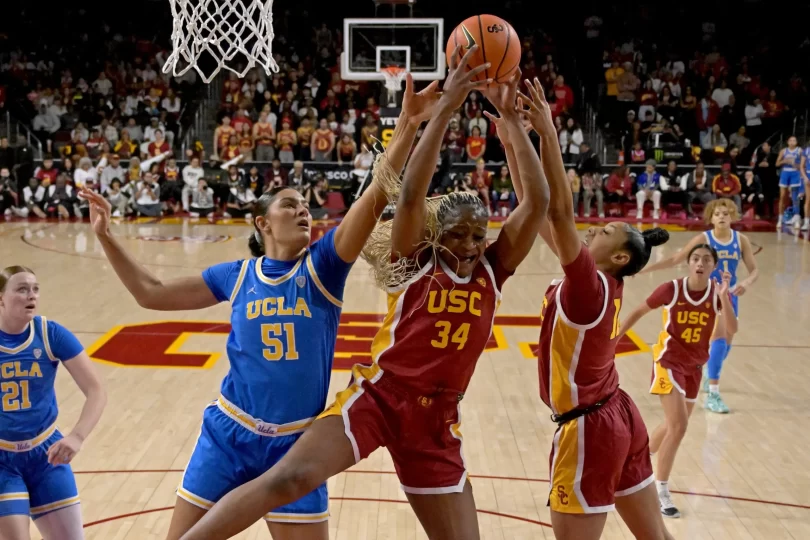

In the fast-paced world of basketball, where every possession counts, the defensive rebound battle emerges as a critical aspect of the game. Securing rebounds on the defensive end is not just about athleticism; it’s about timing, positioning, and strategic teamwork. Dominating this phase of the game can swing momentum, deny opponents second-chance points, and set the tone for victory.
The Fundamentals of the Defensive Rebound Battle
The defensive rebound is a crucial phase of basketball, serving as a bridge between defense and offense. It begins the moment a shot goes up, with players scrambling for position, anticipating the ball’s trajectory, and executing a rebound grab that can change the course of the game.
The Importance of Positioning
Positioning is the foundation of effective rebounding. Players must read the shot, gauge its likely landing spot, and box out opponents to secure the best position under the hoop. This skill requires not only physical strength but also mental sharpness to anticipate the play.
Techniques for Winning the Defensive Rebound Battle
Mastering the art of rebounding involves a combination of individual skills and team dynamics. Each player on the court has a role to play in this battle.
Boxing Out: The Art of Denying Opponents
One of the most fundamental techniques in defensive rebounding is boxing out. This involves using the body to shield an opponent from the ball, creating space to grab the rebound. Proper boxing out is a skill that even the most talented players must continually refine.
Timing and Jumping Ability
While positioning is essential, timing your jump and having the ability to elevate above opponents can be the difference between winning and losing a rebound. Players with excellent timing can often snatch rebounds even against taller or more athletic opponents.
Transitioning from Defense to Offense After Securing a Rebound
A defensive rebound is not just the end of a possession; it’s the beginning of a new opportunity. Once a rebound is secured, teams must quickly transition to offense, turning defensive stops into scoring opportunities.
The Role of the Outlet Pass
After grabbing the rebound, the first move is often an outlet pass to a guard. This quick action sets the fast break in motion, catching the opposing team off guard and creating high-percentage scoring chances.
Strategic Awareness in Transition
The player securing the rebound must remain aware of their surroundings, avoiding turnovers and choosing the best outlet option. This connection between rebounding and offensive strategy is critical to a team’s success.
The Psychological Edge of Dominating the Boards
Winning the defensive rebound battle is about more than just denying points; it’s about imposing your will on the game. Dominating the boards sends a powerful message to the opposition and boosts your team’s morale.
Building Team Confidence
A team that consistently wins the rebound battle gains confidence in its ability to control the game. This psychological advantage can lead to improved performance across all aspects of play.
Frustrating the Opponent
Conversely, denying an opponent second-chance opportunities can demoralize them, disrupting their offensive rhythm and increasing their frustration.
Rebounding Battles in High-Stakes Games
In critical moments, such as playoff games or close contests, the ability to secure defensive rebounds becomes even more significant.
Clutch Rebounding Performances
History has seen many games decided by a single rebound in the closing moments. Players who excel in clutch rebounding situations often earn their place as legends in the sport.
Strategies for High-Stakes Situations
In tight games, coaches may adjust their lineups to include stronger rebounders or design defensive schemes that prioritize securing the boards.
Rebounding Stars Who Redefined the Game
Some players have elevated the art of rebounding to legendary status, setting records and inspiring future generations.
Icons of the Defensive Boards
From Dennis Rodman’s relentless effort to modern stars like Rudy Gobert, these players have shown that rebounding can be a defining skill in basketball.
Lessons from the Greats
Aspiring players can learn from these legends, studying their techniques and adopting their work ethic to improve their own rebounding prowess.
The Role of Coaching in Rebounding Success
Coaches play an integral role in shaping a team’s rebounding strategy and ensuring players are prepared for the battle under the rim.
Drills for Rebounding Excellence
From boxing out exercises to reaction drills, coaches use various methods to improve their team’s rebounding skills.
Fostering a Rebounding Mindset
Coaches emphasize the importance of effort and determination in rebounding, instilling a mindset that values hustle and grit.
Defensive Rebounding for Bettors and Analysts
For sports bettors and analysts, understanding a team’s rebounding ability can provide valuable insights.
Analyzing Rebounding Statistics
Teams with strong defensive rebounding numbers often have a strategic edge, making this a key factor in predicting game outcomes.
Betting Opportunities
Bettors can use rebounding stats to identify favorable matchups, particularly in games where second-chance points are likely to be a deciding factor.
Conclusion: The Battle That Shapes the Game
The defensive rebound battle is more than just a statistic; it’s a fight for control, momentum, and victory. By mastering the art of rebounding, teams can elevate their game, dictating the pace and flow of play while denying opponents the chance to capitalize on mistakes.
For fans, players, and coaches alike, the defensive rebound battle remains one of basketball’s most compelling aspects, showcasing the grit, strategy, and determination that define the sport. As teams continue to innovate and refine their approach, the importance of this battle will only grow, ensuring its place as a cornerstone of basketball excellence.